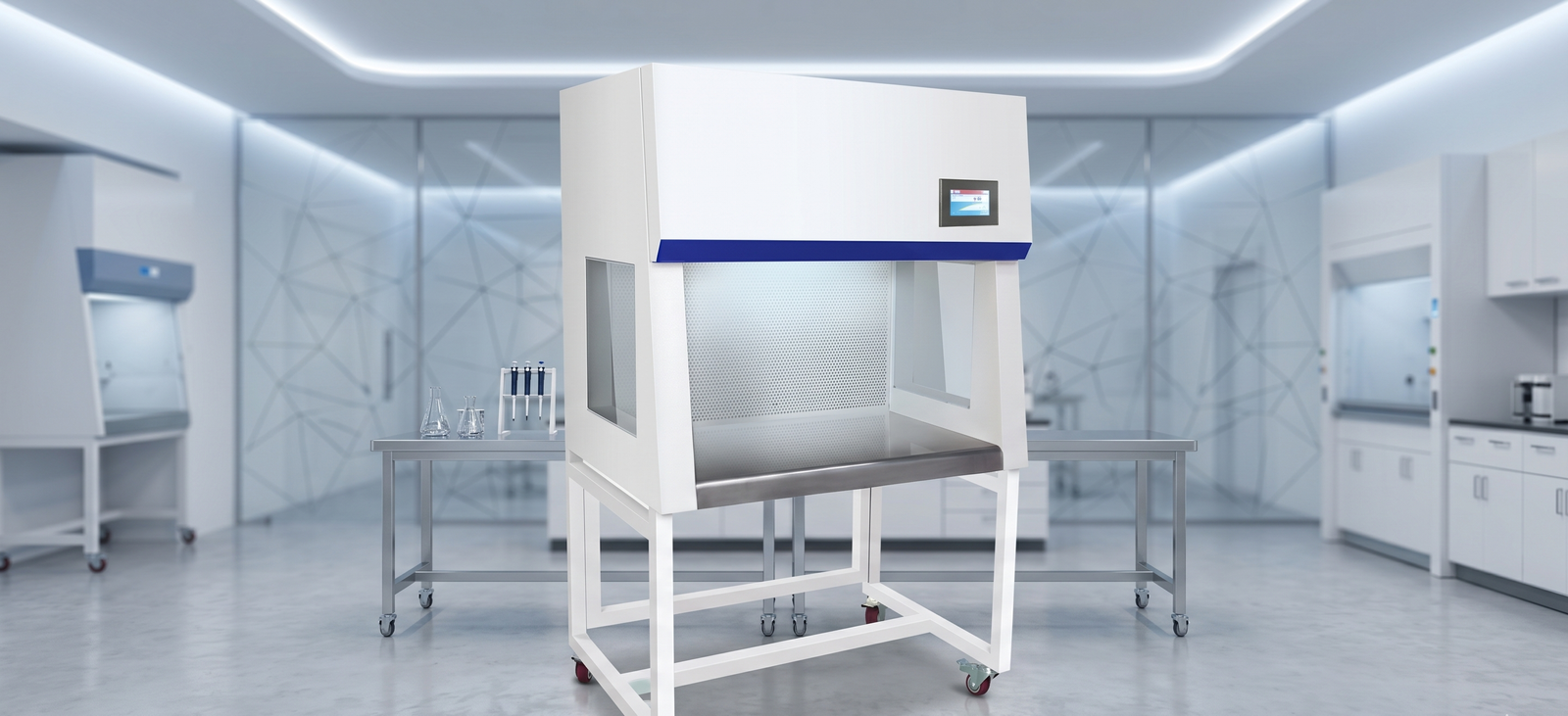
Most laboratories searching for laminar air flow price first compare size and budget. Later, after the cabinet starts running daily, the real focus usually shifts toward airflow stability, filter life, maintenance, and operating noise.
A lot of buyers face this situation. The cabinet looks fine during installation, but after a few months the blower becomes noisy, airflow starts fluctuating, or filters require replacement earlier than expected. In microbiology and pharmaceutical work, small airflow problems can affect the working environment very quickly. Because of this, many laboratories now avoid choosing cabinets only because the initial price is lower.
At Bionicsro, buyers often ask why two laminar air flow cabinets that appear almost identical externally can have a large price difference. Usually the difference is inside the cabinet itself. HEPA filter quality, blower balancing, motor stability, steel thickness, and airflow consistency all affect overall performance as well as pricing.
The laminar air flow price in India normally starts near ₹45,000 for smaller laboratory models. Larger pharmaceutical and cleanroom systems can go beyond ₹2,50,000 depending on size and specifications.
Basic laminar air flow bench models used in colleges, pathology labs, and microbiology applications generally stay within the ₹45,000 to ₹80,000 range. These systems are smaller in size and usually designed for lighter routine laboratory work.
Many laboratories now prefer cabinets with stainless steel interiors, UV light, airflow indicators, and better filtration systems because cleaning and daily operation become easier. Systems with these features usually fall somewhere between ₹90,000 and ₹1,80,000.
Pricing becomes higher in pharmaceutical applications because cabinets may run continuously for long hours. Larger chambers, imported HEPA filters, low-noise motors, and stable airflow systems naturally increase cost.
The laminar air flow chamber price also changes according to airflow type. Vertical airflow cabinets generally cost slightly more than horizontal systems because of their internal airflow arrangement.
The biggest difference in pricing usually comes from filtration quality and blower performance. Two cabinets may look similar from outside, but internal performance can be completely different.
A standard laminar air flow hood generally uses HEPA filters with 99.97% efficiency at 0.3 microns. Better filters improve contamination control and usually last longer during regular operation. Imported filters increase equipment cost, although many laboratories prefer them for stable long-term performance.
Most pharmaceutical and microbiology laboratories now avoid painted interiors because cleaning becomes difficult after continuous use. Stainless steel chambers are easier to maintain and perform better in sterile conditions.
Some low-cost blower systems start producing vibration and noise after regular use. Laboratories running long shifts usually prefer smoother low-noise motors because operators work around the equipment for extended hours.
UV sterilization, pressure indicators, airflow displays, and filter monitoring systems also affect overall pricing. These features improve operational convenience and contamination control during daily laboratory work.
Different laboratories choose different airflow systems depending on application type and working conditions.
In a horizontal laminar air flow bench, clean filtered air moves directly from the rear side toward the operator. These systems are widely used in microbiology labs, media preparation work, and electronics assembly applications.
Vertical Laminar Air Flow Cabinet
In vertical laminar air flow cabinets, filtered air moves downward from the top section of the cabinet. This type of cabinet is commonly preferred in the pharmaceutical industry due to minimal contact with the operator.
Portable systems are commonly selected in smaller laboratories where space is limited. These units remain compact and comparatively economical for routine applications.
|
Feature |
Horizontal System |
Vertical System |
|
Airflow Direction |
Rear to Front |
Top to Bottom |
|
Space Requirement |
Slightly Larger |
Compact |
|
Operator Exposure |
Moderate |
Lower |
|
Common Applications |
Microbiology, Electronics |
Pharma, Sterile Labs |
|
Maintenance Access |
Easier |
Moderate |
|
Approximate Price |
Lower |
Slightly Higher |
|
Specification |
Standard Range |
|
Air Velocity |
0.3 – 0.5 m/s |
|
HEPA Efficiency |
99.97% at 0.3 Micron |
|
Material |
SS 304 / Powder Coated Steel |
|
Noise Level |
55 – 65 dB |
|
Filter Type |
HEPA + Pre Filter |
|
Power Supply |
220V AC |
|
Lighting |
LED / Fluorescent |
|
Motor Type |
Dynamic Balanced Blower |
|
Working Area |
2 ft to 6 ft |
|
Feature |
Laminar Air Flow Bench |
Laminar Air Flow Hood |
Laminar Air Flow Cabinet |
|
Structure |
Open Front |
Compact Enclosure |
Fully Enclosed |
|
Application |
Routine Lab Work |
Sterile Operations |
Pharma Applications |
|
Protection Level |
Product Protection |
Better Protection |
Advanced Isolation |
|
Price Range |
Economical |
Medium |
Premium |
|
Airflow Control |
Standard |
Improved |
Advanced |
Laminar air flow systems are widely used in pharmaceutical laboratories, microbiology labs, IVF centers, hospitals, biotechnology research units, electronics manufacturing facilities, pathology centers, and food testing laboratories.
In pharmaceutical applications, laboratories generally focus more on airflow stability than cabinet appearance. Research facilities usually prefer systems that are easier to maintain during routine operation. Hospitals and pathology centers often look for compact systems with smoother airflow and lower operating noise.
Laboratories that already faced contamination issues usually avoid selecting cabinets only on the basis of price. Long-term airflow stability and dependable filtration become more important during continuous daily use.
Most pharmaceutical labs do not select a laminar air flow cabinet only by size or price. Cleanroom compatibility also becomes important, especially in controlled testing and sterile working areas.
Laboratories working under GMP environments usually prefer systems suitable for ISO 14644 cleanroom practices because airflow consistency directly affects contamination control during daily operation.
Before installation, many laboratories also ask about HEPA filter testing, airflow balance, validation support, and particle control performance. These checks help maintain cleaner working conditions in microbiology, sterile testing, and pharmaceutical applications
Before finalizing a laminar air flow cabinet, laboratories should first understand how frequently the system will operate and what type of work will be handled inside it.
Most experienced buyers first inspect airflow balance and filter quality before checking additional features. Even a cabinet with premium external finishing may create contamination issues if internal airflow stability is poor.
If the cabinet will operate daily for long hours, then motor quality, service support, and filter replacement availability become important later. Warranty coverage and spare support should also be discussed before purchase.
The products provided by Bionicsro include the laminar air flow system that ensures uniform flow and longevity. In the laboratory, applicability comes before aesthetic appeal.
Most laboratories in pharmaceuticals and microbiology are concerned about easy maintenance during prolonged usage. Bionicsro provides a stainless steel work chamber, balance blower assembly, and high-efficiency particulate air filter.
In addition, technical support and after-sales service are also included. The laboratories will consider the requirement of applications when choosing the system.
Many cabinets available in the market may look similar externally, although internal airflow quality often varies significantly. Bionicsro pays closer attention to airflow stability, construction quality, and long-term operational reliability.
Balanced blower assemblies, stainless steel chambers, dependable electrical components, and high-efficiency filtration systems help improve daily operation. Installation assistance, servicing support, and spare availability are also managed more efficiently compared to many generic laminar air flow suppliers.
A laboratory cabinet is generally used for many years, so long-term performance matters far more than short-term savings.
If your laboratory is planning to improve sterile working conditions or establish a controlled clean working area, Bionicsro can help you compare specifications, understand practical pricing, and select a suitable laminar air flow system according to your application and budget.
Basic laboratory models usually start around ?45,000. Bigger pharmaceutical cabinets with advanced filtration and larger working space cost much more.
Both are used for different work. Horizontal systems are common in microbiology labs, while vertical cabinets are mostly preferred for sterile pharmaceutical applications.
Most laboratories replace HEPA filters after a few years of regular use, although actual timing depends on usage and working conditions.
Laminar flow hoods are usually employed in laboratories where drugs are tested, hospitals, microbiological laboratories, IVF clinics, and food laboratories.
The following factors may affect the cost of the laminar flow hood: filtration effectiveness, chamber size, air homogeneity, motor efficiency, and manufacture quality.


Connect with us for your business enquiries. Generally, we respond within a day.