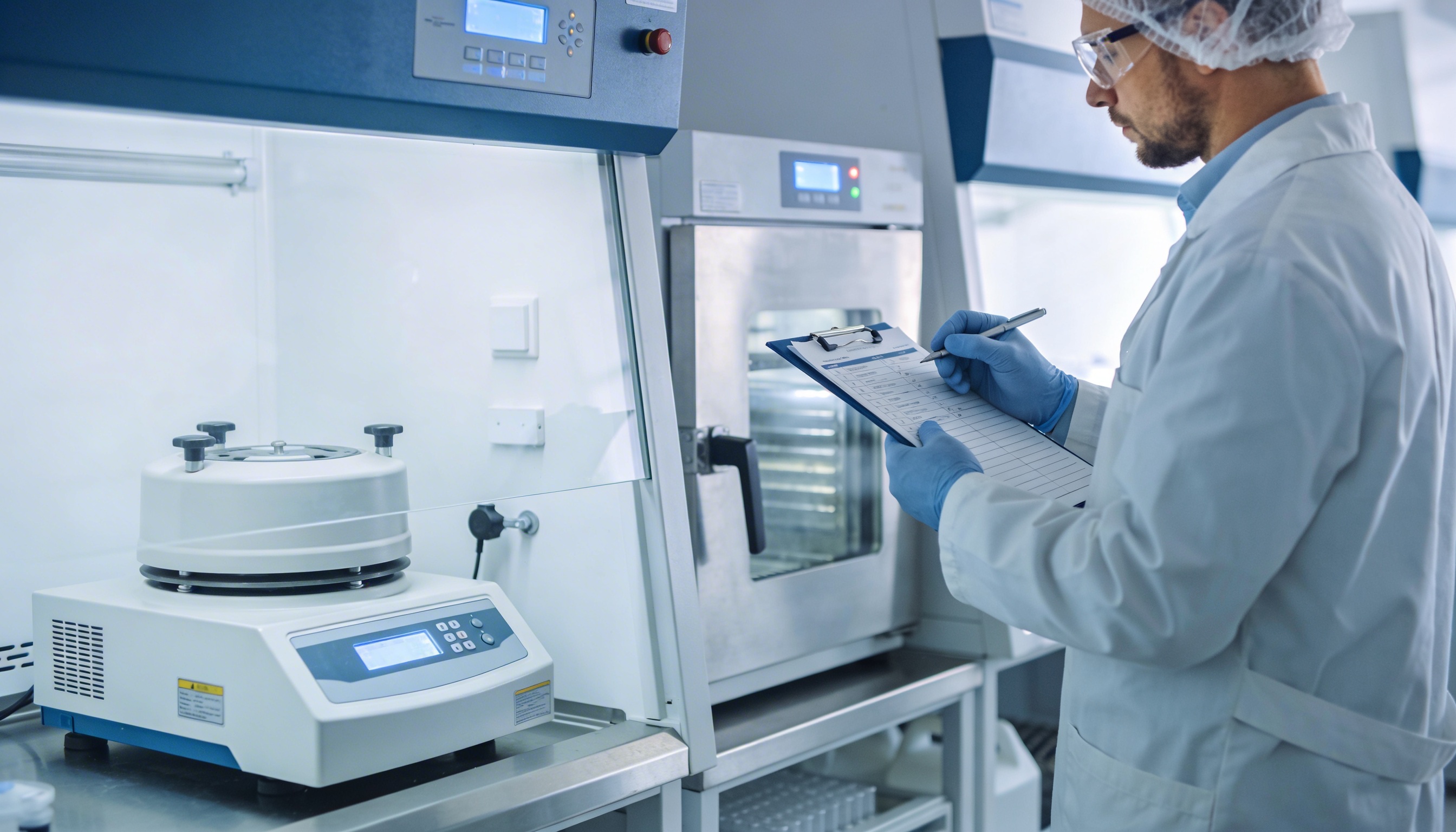
A modern laboratory depends on various equipment. That's why equipment maintenance is very required for the laboratory, so the maintenance equipment works properly and gives the output without any failure. If any minor equipment issue arises, it can delay the project, compromise the result, or increase operational cost. A good maintenance checklist ensures the product or equipment is reliable without unexpected downtime.
When you skip the maintenance routine today, it saves time, but after some time, it becomes very expensive to maintain, and failure is often regular, and it affects your laboratory operations. A better maintenance checklist creates reliability and consistency in lab operations.
Complex Lab Equipment benefits from annual professional inspection. Certified technicians can identify hidden issues and optimize performance beyond routine in-house checks.
Include:
Since the speed of a Centrifuge is high, there can be a significant amount of vibration along with sample loss. The issue can be taken care of by regularly inspecting the seals, cleaning the rotors and maintaining speed during maintenance.
Heating devices require temperature stability checks. A Muffle Furnace should be tested periodically for uniform heating and insulation integrity to ensure consistent results in material testing and ash analysis.
It is a well-understood fact that a Fume Hood can work efficiently only when its parts, including alarms and interlocks, work effectively. These should regularly be checked.
Inspect power cords, control panels, and drive systems of the Centrifuge to catch early signs of wear before they become critical failures.
Over time, controllers and heating elements in a Muffle Furnace may lose precision. Verifying ramp rates and temperature recovery improves repeatability and sample integrity.
when airflow is balanced and filters are clean A Fume Hood protects users from toxic vapors
Best practices:
If the power fluctuates, they can damage the sensitive electronics easily. Stable connections are required for long-term reliability.
Checklist:
Routine calibration is important for data accuracy and compliance with internal and external quality standards.
Calibration tips:
Cleanliness directly impacts performance and control pollute. Daily cleaning buildup and extended component life.
Use:
All Lab Equipment should have a documented service history.
With help of this, you can easily know the frequency, maintenance, etc.
| Maintenance Area | Frequency | Key Focus | Benefits |
|---|---|---|---|
| Visual Inspection | Daily | Leaks, noise, alerts | Early problem detection |
| Cleaning | Daily / Weekly | Dust, residue | Consistent performance |
| Calibration | Monthly / Quarterly | Accuracy checks | Reliable results |
| Electrical Safety | Quarterly | Wiring, grounding | Reduced fire risk |
| Professional Service | Annually | Full system check | Extended equipment life |
Preventive maintenance can reduce unexpected laboratory downtime by up to 30–40%, according to industry facility management studies.
These checklists help you to increase your Laboratory Equipment life and their usage. All the checklists are most important and very useful for your laboratory, and you will be very confident with this. Timely maintenance is a very good investment for you, and this will not affect your machine, and you will be stress-free of any other charges.
Ready to upgrade your inventory with high-quality laboratory equipment? If yes, Bionics Consortium can be the right partner for you. With more than 25 years of experience, Bionics has been serving various industries.
Maintenance schedules should ideally be reviewed at least once every year. However, if your laboratory introduces new instruments, increases workload, or updates compliance requirements, reviews should happen more frequently. Regular evaluation helps identify gaps, adjust service intervals, and ensure equipment continues to meet performance and safety standards without unexpected failures or downtime.
In-house teams are well-suited for routine tasks like cleaning, visual inspections, and basic operational checks. However, advanced maintenance such as calibration, electrical diagnostics, and performance validation should be handled by certified service professionals. This balance ensures safety, accuracy, and compliance while preventing costly mistakes that may occur without specialized tools or training.
Yes, laboratories that follow structured preventive maintenance experience fewer emergency shutdowns and far less operational stress. Over time, routine servicing reduces repair expenses, extends equipment lifespan, and stabilizes budgeting. Many lab managers notice smoother workflows and improved staff confidence because equipment reliability allows teams to focus on results rather than constant troubleshooting.
Delayed calibration often leads to inconsistent data, repeat testing, and loss of confidence in results. In regulated labs, this can trigger audit findings or rejected reports. From experience, even small calibration drifts can snowball into major quality concerns, affecting timelines and credibility. Consistent calibration ensures dependable results and protects both scientific integrity and regulatory compliance.

Connect with us for your business enquiries. Generally, we respond within a day.